Most people still dismiss Emily in Paris as a light, fashion-heavy comfort watch. Paris streets, flashy dresses, complicated relationships, and social media mayhem. On a basic level, that is exactly what it is. However, if one is not watching this show as a consumer but instead as a marketer, this show will offer far more.
Emily in Paris is not casually featuring brands. It is not relying on background placements or logo exposure. The entire storyline is built around marketing decisions, brand strategy, cultural positioning, and audience reaction. Marketing is not added to the show. Marketing is the show.
That distinction is what makes it different.
The First Smart Decision: No Fake Brands
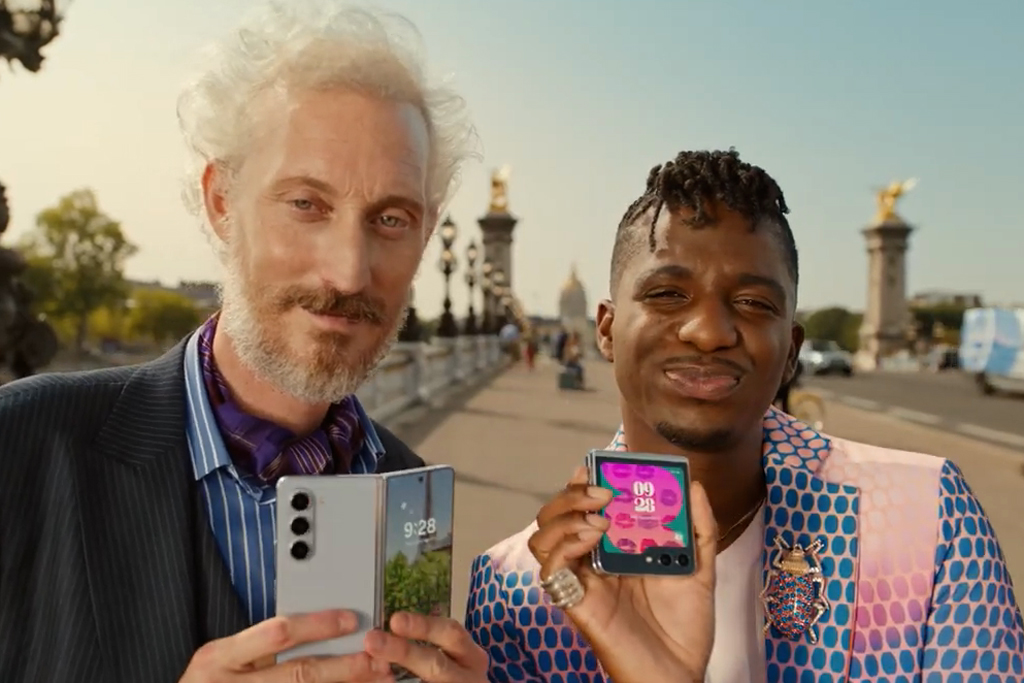
One of the most important creative choices behind Emily in Paris is the complete absence of fictional brands. Emily does not pitch to made-up cafés or imaginary fashion houses. She works with real, globally recognized companies such as McDonald’s, Samsung, Baccarat, and later Google.
This immediately changes how the audience processes the story.
Instead of watching fictional success, viewers are watching how real brands might behave in real situations. Meetings feel authentic. Resistance feels realistic. Approval feels earned. The marketing doesn’t feel exaggerated because these are brands people already know and trust.
What this does brilliantly is remove the mental barrier between fiction and reality. When the show presents a campaign, it feels plausible, not theatrical.
Season 1
Season 1 focuses heavily on Emily’s cultural clash with Parisian brand thinking. Her fast, digital-first, American approach consistently conflicts with French brands that value heritage, discretion, and long-term image over instant visibility.
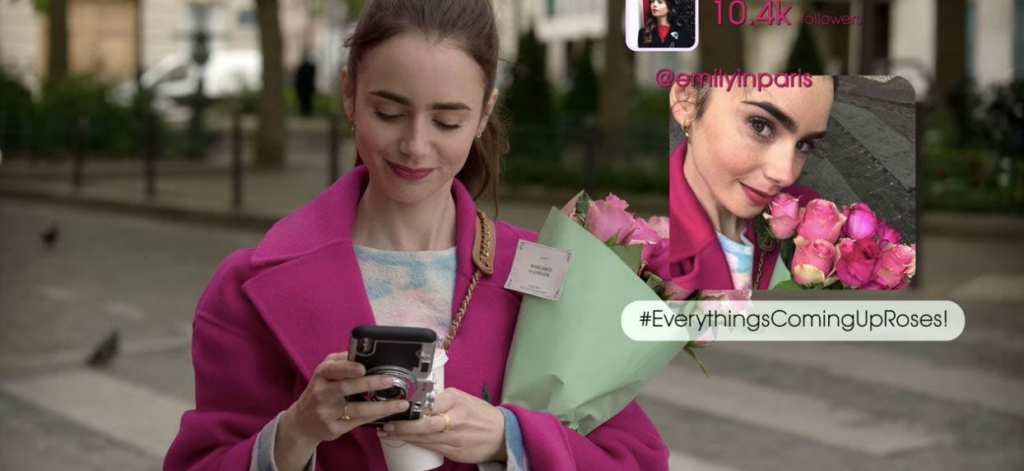
This season quietly establishes a core marketing truth. A global strategy falls apart if the local culture is an afterthought. The program showcases how Emily’s errors illustrate the pitfalls of seeking attention without considering the underlying context.
Key ideas explored here include:
- Visibility does not equal credibility
- Social media success does not guarantee brand respect
- Marketing without cultural sensitivity creates resistance
These lessons are never stated outright. They are shown through rejection, awkward meetings, and uncomfortable outcomes. That subtlety keeps the show believable.
Season 2
By Season 2, the campaigns evolve beyond internal pitches. Marketing ideas now interact with audiences, critics, influencers, and public opinion. Campaigns succeed and fail simultaneously, reflecting how modern marketing actually works.
The show captures the reality that brands no longer control narratives. Audiences do. A campaign can go viral while being criticized. A brand can gain reach while losing goodwill. Emily’s work is constantly shaped by feedback she cannot fully manage.
This season reinforces a few realities marketers understand well:
- Campaigns live beyond brand intent
- Public reaction reshapes outcomes
- Control is limited, adaptation is essential
Instead of pretending marketing happens in a controlled environment, the show embraces chaos.
Season 3

Season 3 represents the critical juncture around which the show Emily in Paris shifts from being merely the result of smart writing to leaving a practical mark.
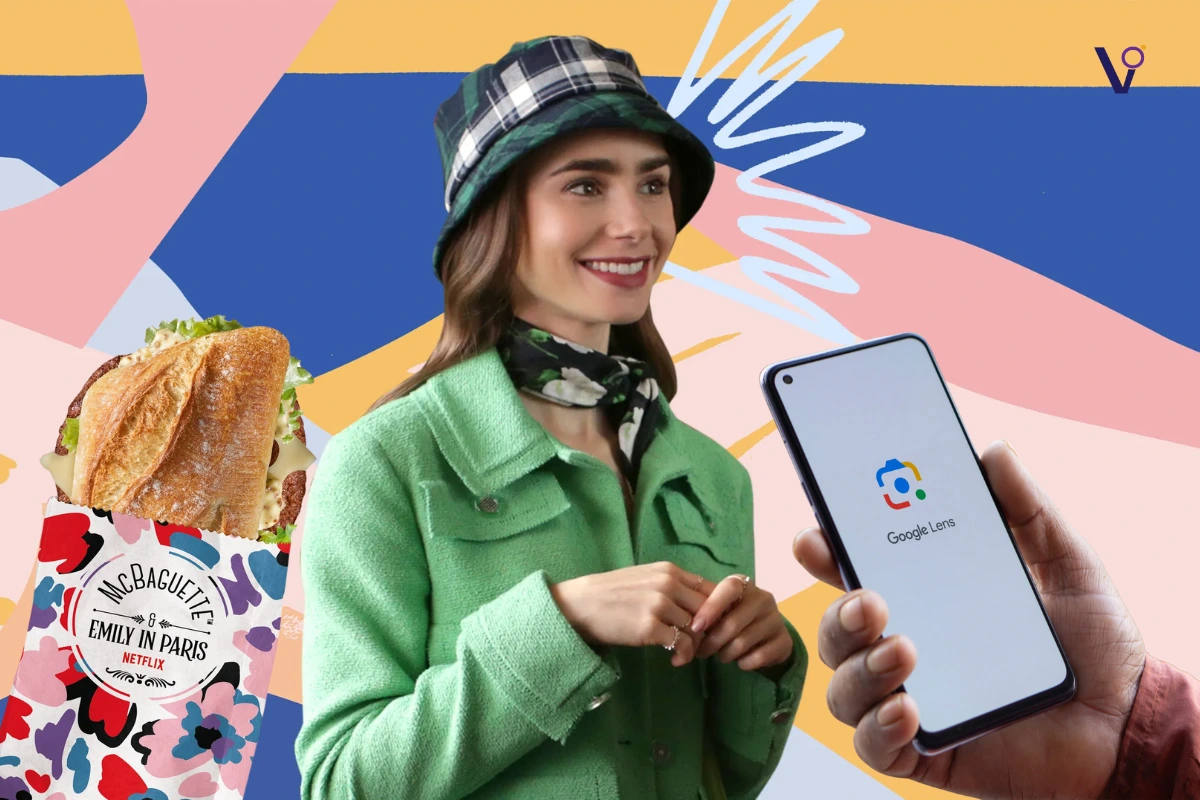
Within the TV show, Emily pitches the “MacBaguette” campaign to McDonald’s. It is framed as a localization strategy, blending a global brand with French cultural identity. It feels smart, timely, and believable.
What makes this moment exceptional is that McDonald’s France actually launched the campaign in real life.
This included:
- A real Emily in Paris themed menu
- The MacBaguette product
- A limited edition of a baguette bag design inspired by “Fendi’s legendary baguette bag.”
The outcome was not symbolic. Estimated sales rose by more than 25 percent, and the goods sold out very quickly. A storyline created demand, and demand converted into measurable revenue.
This was not product placement. This was narrative-driven commerce.
Why the McDonald’s Campaign Worked
The success of the McBaguette was rooted in timing and storytelling. The product was introduced inside a narrative before it existed in the real world. By the time it reached stores, audiences already understood it, accepted it, and wanted it.
The show followed the correct sequence:
- Build familiarity
- Create emotional relevance
- Introduce the transaction
Most advertising reverses this order. Emily in Paris gets it right.
Season 4
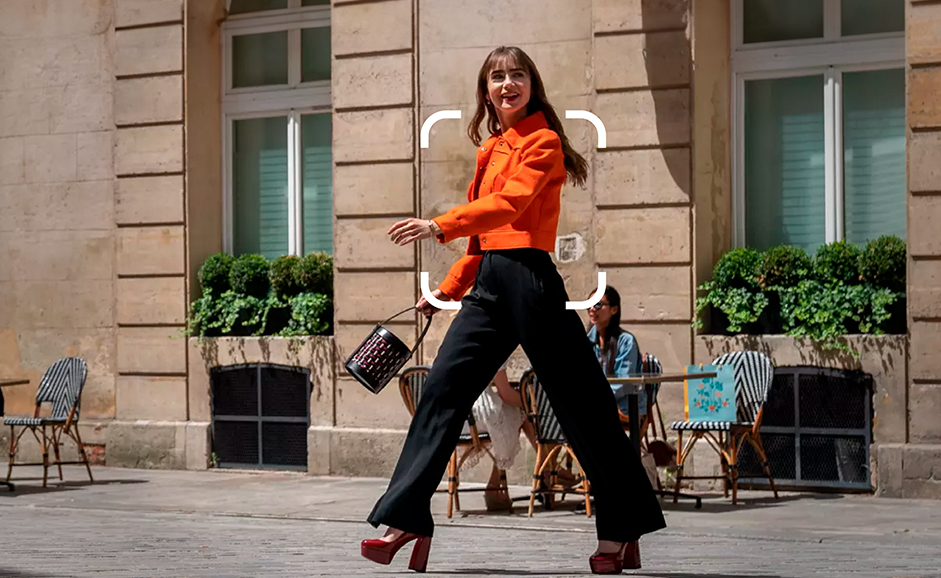
Season 4 takes the concept further by partnering with Google to introduce a shoppable viewing experience. Viewers can scan Emily’s outfits using Google Lens directly from their screens and purchase them instantly.
This removes friction completely.
There is no need to search later or save inspiration for another time. Desire and action exist in the same moment. The screen itself becomes a point of sale.
This signals a larger shift in media. Content is no longer separate from commerce. Stories are becoming sales channels.
Turning Criticism Into Free Marketing
Emily in Paris has been under criticism for stereotypes and exaggeration. The interesting part is how it thrives under this criticism rather than struggling under it.
Every debate increases visibility. Every critique drives conversation. Engagement fuels algorithms, and algorithms fuel reach. The show does not try to silence backlash. It allows it to circulate.
In doing so, criticism becomes distribution.
Why Emily in Paris Matters for Marketing
Emily in Paris is not pretending to teach marketing. It simply shows it in action. It demonstrates how brands integrate into culture, how stories create demand, and how entertainment can drive real business outcomes.
That is why it should be viewed not just as a TV show, but as a live case study in modern marketing.
Emily in Paris shows narrative-driven marketing where storytelling, culture, and entertainment create demand first, and real brands convert that attention into awareness, relevance, and measurable sales.
McDonald’s did not just sponsor the show. It collaborated strategically, allowing a fictional campaign to launch in the real world, turning storytelling into an actual product and revenue-driving activation.
Yes, Emily in Paris exclusively uses real brands, integrating them directly into campaigns, pitches, and storylines instead of relying on fictional companies or background product placement.
Emily in Paris features real brands like McDonald’s, Samsung, Baccarat, Google, and luxury fashion houses, all embedded into the plot as active participants in marketing decisions.