First it was Labubu. Now it’s Punch Monkey Ikea.
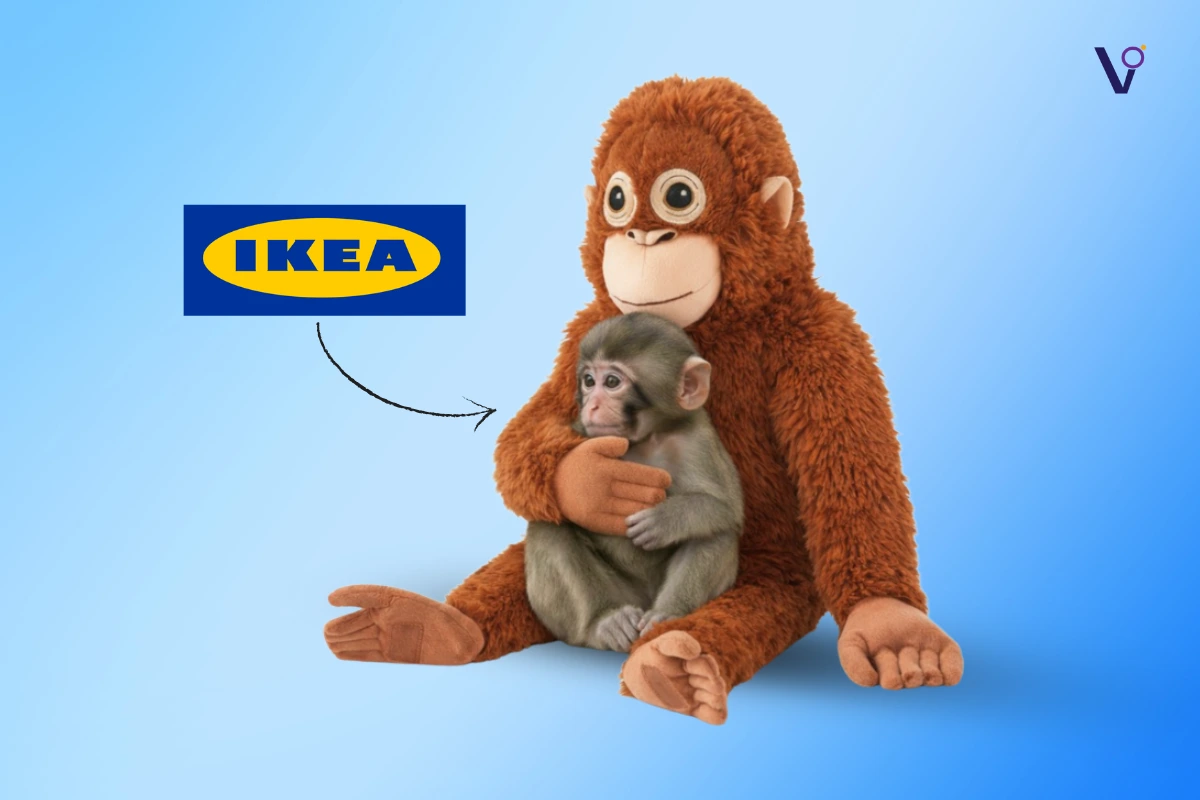
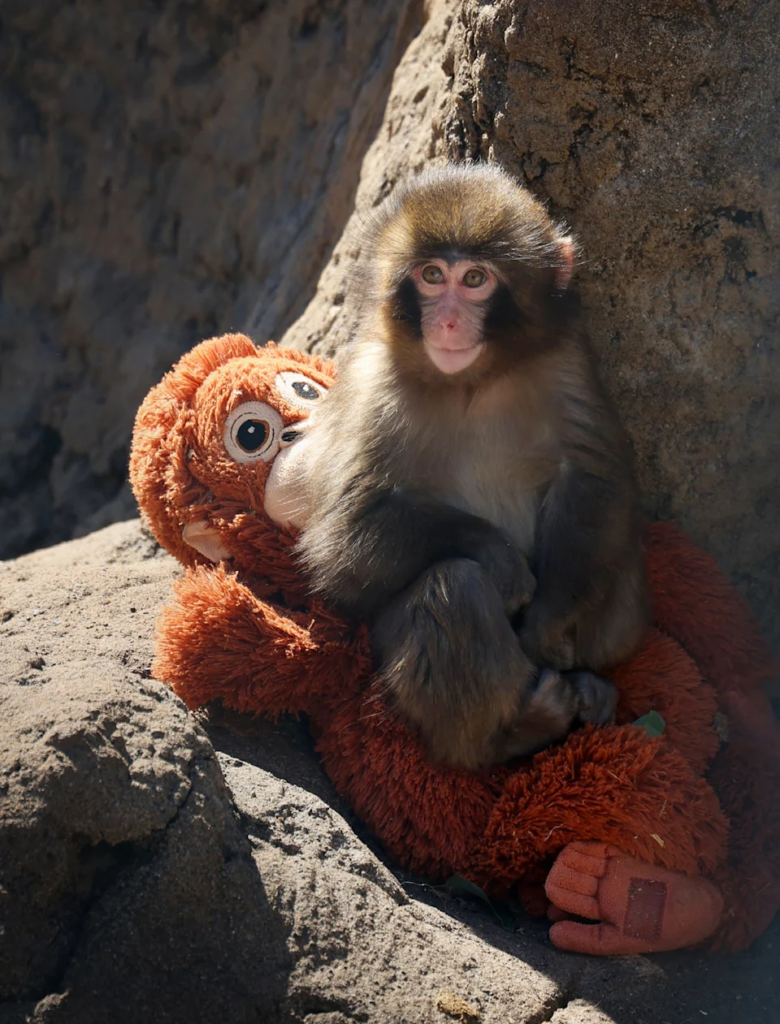
If you’ve been online recently, you’ve probably seen the clips: a baby Japanese macaque at Ichikawa City Zoo in Japan clinging to an oversized orangutan plush toy. Punch, the young monkey, was abandoned by his mother shortly after his birth. To provide him with comfort and security, zoo keepers gave him a large IKEA orangutan soft toy. What happened next wasn’t planned by any marketing team.
It went viral.
Videos of Punch hugging, carrying, and snuggling the plush toy spread across social media globally. Visitors began flocking to the zoo. The internet adopted him emotionally. And eventually, the world wanted the toy too.
This is where the story shifts from heartwarming to strategic.
How Punch Monkey Became a Global Product Moment
Punch is a Japanese macaque, born at Ichikawa City Zoo, abandoned by his mother shortly after birth. Zookeepers, knowing that Japanese macaques need a motherly figure to build muscle, strength, and a sense of security, gave him a large plush orangutan toy to cling to.
Within days, videos of this tiny monkey carrying his stuffed companion everywhere, snuggling it, dragging it across the floor, and refusing to let go had racked up millions of views worldwide. People didn’t just watch. They showed up. Throngs of visitors flooded the zoo just to see Punch and his stuffed best friend. And then someone asked the obvious question: where is that toy from?
The answer? IKEA. Specifically, the Djungelskog is a 36 cm plush orangutan retailing for around $19.90 SGD.
Here’s what happened next:
- Singapore: sold out completely
- Japan, South Korea, Australia, Canada, USA: cleared out across the board
- Both IKEA stores in Metro Vancouver: gone
- Every single Canadian store: empty
- eBay resale listings: appearing between $30 and $311 USD
A $20 plushie. On the black market. Because of a monkey.
The IKEA Moment
At first, nobody even knew it was an IKEA product. The toy just appeared in the videos, anonymous, doing its job. But here’s where the brand made a move that most marketing teams would have fumbled.
IKEA Japan didn’t rush out a press release. They didn’t slap an “as seen on Punch Monkey” banner on their homepage. On February 17th, IKEA Japan President Petra Ferry quietly visited Ichikawa City Zoo, and the mayor posted a photo on X. That was it. No campaign. No ad spend. Just presence.
What they did right:
- Donated a stack of plush toys to the zoo before the story even blew up globally
- Let the moment speak first and then associated with it through action, not words
- Showed up with sensitivity, not self-interest
Within a week, IKEA reportedly saw a 200% increase in sales of the Djungelskog.
So, why do people lose their minds over a toy? It’s not random. These products tap into something real: belonging, emotional resonance, and scarcity. The harder something is to find, the more validated people feel when they finally get it. Punch gave the world permission to want that toy. IKEA just made sure it existed.
4 Viral Marketing Examples That Actually Worked
1. “2016 is Back”
Going into 2026, people started calling it the year of “prime 2016 vibes.” TikTok is flooded with nostalgia content. Low-rise jeans and chunky highlights. Fashion and lifestyle brands, including Kylie Cosmetics, hopped on the trend. They just showed up speaking its language.
What they did:
- Re-launched older products with explicit “2016 vibes” positioning
- Used nostalgia-coded visuals and language in their campaigns
- Timed drops to peak nostalgia conversation windows
Result: some of the highest conversion rates of the year. The lesson: cultural nostalgia cycles are predictable if you’re watching. When the internet collectively decides it misses something, that’s a product opening.
2. Emirates Covered a Runway in Flowers for Valentine’s Day
Americans buy 58 million pounds of chocolate on Valentine’s Day, roughly 110 pounds every second throughout the season. The demand for romance is real, and it’s massive. Emirates understood this when they launched their Valentine’s Day campaign by flying their plane covered in roses on a runway covered in rose petals.
What made it work:
- No hard sell, no discount code
- Pure visual storytelling: care, luxury, emotional connection
- The kind of image people screenshot, share, and remember
No shouting required. Sometimes the quietest campaigns are the loudest ones in memory.
3. Bose Made Music Feel Like a Love Language
Bose launched a limited-edition petal pink SoundLink Micro speaker and partnered with New York candy brand Bonbon NYC for a Valentine’s Day collaboration that blended sound and sweetness.
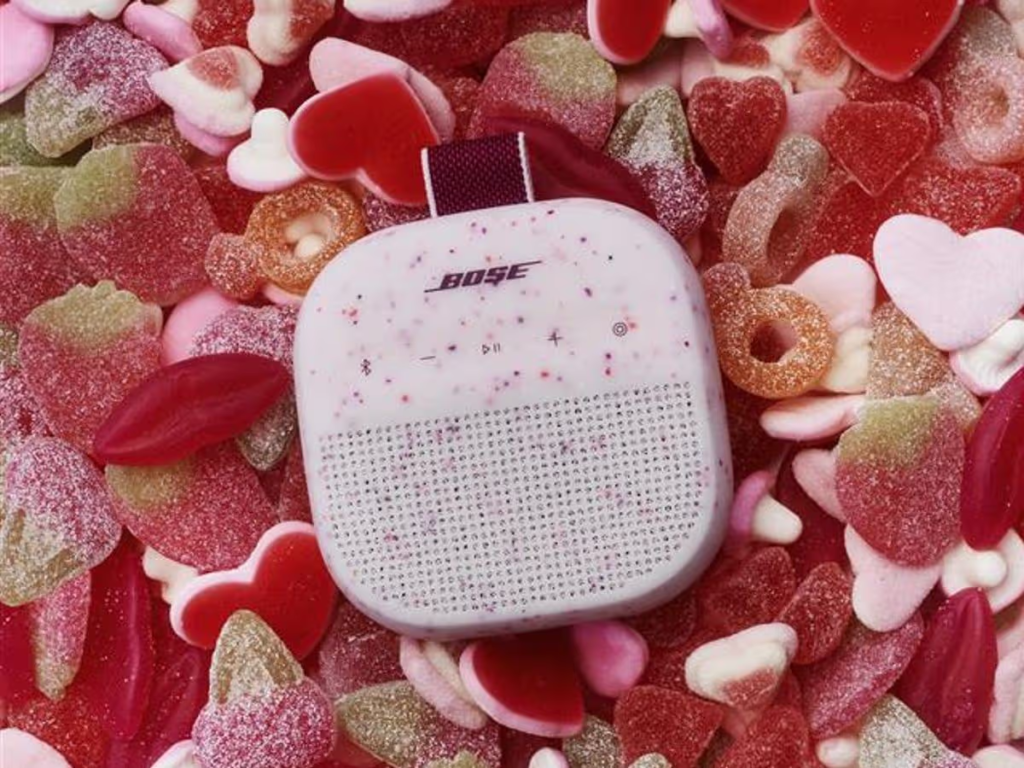
The gifting box included the following:
- A peta-pink SoundLink Micro speaker
- Bonbon’s cult-favorite candies
- Packaging designed to feel like an experience, not a product
This wasn’t about a new color. It was about making music feel like a love language. People gifted it, talked about it, and posted it because it felt like something. Limited drops tied to emotional moments don’t need massive budgets. They need the right pairing and the right timing.
4. DM Automation
Viral moments create attention spikes. But attention without a system to capture it is just noise. This is where DM automation comes in, and the brands combining influencer content with comment-triggered DM flows are quietly winning the conversion game on Instagram.
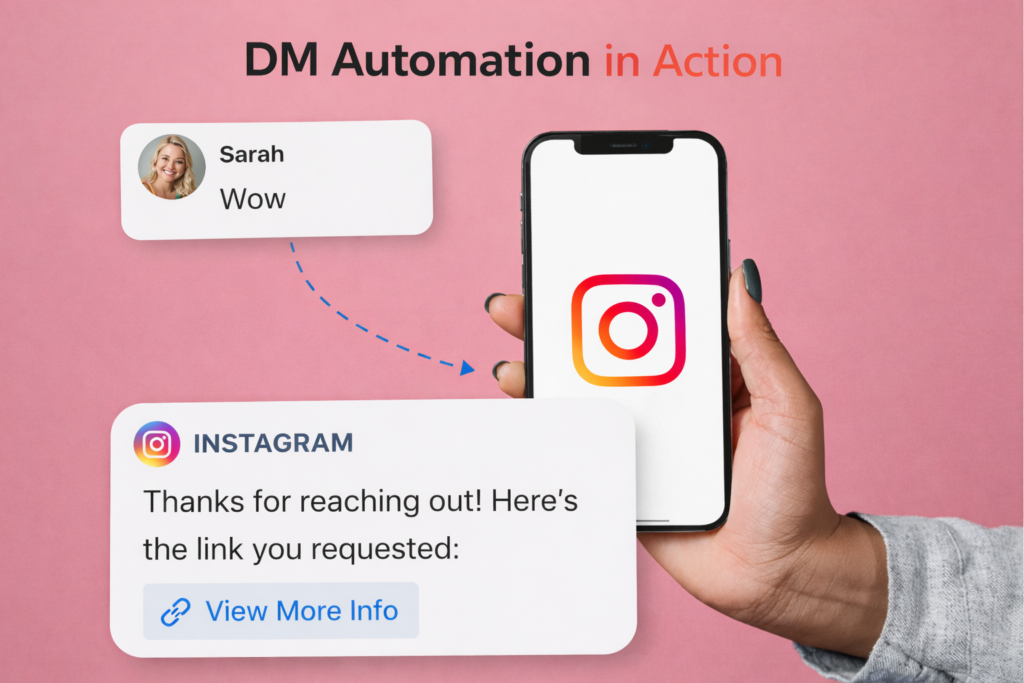
The mechanics are simple:
- A micro-influencer posts content around a trending moment (think: the Punch Monkey IKEA story)
- The caption says: “Comment PUNCH and I’ll send you the link.”
- Someone comments → they receive a direct message within 3 seconds with the link, offer, or freebie
Why it beats “link in bio”:
- Commenting is engagement,, which tells the algorithm to push the post to more people
- You’re not pulling people away from the post; you’re keeping them on it and still getting them the link
- An instant reply means you catch people while they’re emotionally in it but 8 hours later, they’ve moved on
Tools like ManyChat make setup take minutes, no coding needed. Keep automations short, honest, and keyword-specific. Don’t build a 17-step chatbot flow nobody asked for.
For any brand looking to ride a viral moment like Punch Monkey and IKEA in real time, this is the fastest, most measurable way to turn that attention into actual action.
What All Five of These Have in Common
Each of them did something most brands don’t: they paid attention, moved fast, and showed up in a way that felt earned, not opportunistic.
That’s the difference between capitalizing on a moment and hijacking one. One feels like a friend who gets it. The other feels like a corporate account that hired an intern to be “relatable.”
The brands winning right now aren’t the ones with the biggest budgets. They’re the ones with the sharpest instincts and the humility to let the moment speak louder than their logo.
The Ikea Monkey incident refers to Punch, a baby macaque abandoned at Ichikawa City Zoo, who bonded with an IKEA plush, triggering viral attention and a 200% sales surge.
Punch Monkey IKEA is an example where viral zoo clips drove a 200% sales spike, global stockouts, and resale listings following emotional online engagement.
Viral marketing forms include emotional storytelling, nostalgia-driven relaunches, seasonal cultural alignment, scarcity amplification, and engagement-first conversion strategies like comment-to-DM automation.