Viral Omega has closely analyzed what actually works on LinkedIn today, and this blog breaks down a proven system based entirely on real creator experience. The insights reveal how the new LinkedIn algorithm rewards strategy, consistency, and meaningful engagement rather than random posting.
This is not theory. It is a system that has driven massive growth, millions of organic views, and a scalable personal brand.
The 3 Mistakes Killing Your LinkedIn Growth

Before getting into what works, it helps to understand what most people do wrong. Three patterns consistently hold creators back:
- Publishing content without any clear structure or strategy
- Using LinkedIn like a resume rather than a sales engine
- Chasing Vanity Metrics Rather Than a Real Conversion Strategy
The new algorithm on LinkedIn rewards consistency, engagement, and relevance. Without all three, nobody even notices your posts.
Part 1: Building a Profitable Profile
The profile is not just a bio. It is a storefront that never closes. It breaks down exactly how to set one up so that every visitor who lands on it has a reason to follow and eventually buy.
Key profile elements that make the difference:
- A clean, compelling banner with a visible call to action
- A one-liner that plants a single powerful word in the visitor’s mind. In this creator’s case, the word is “systems.” Much like how Ryan Holiday owns “stoicism” or James Clear owns “habits,” owning a word in your niche is a strategic move that sticks.
- A clear value proposition that tells people within seconds what they will gain by following
- A strategic featured section pointing visitors toward a newsletter or core offer
The one question every profile should answer immediately is, “Why should someone follow you today?” If they cannot immediately answer this question on your profile, they’re already not reading it.
Part 2: Content That Actually Works With the New LinkedIn Algorithm
The new LinkedIn algorithm has one obsession: engagement. Not likes. Reposts. A repost signals to the platform that the content is worth pushing to wider audiences, and the creator has built an entire content system around earning them.
There are four content types that have driven the bulk of his growth:
- Behind-the-scenes content: Real stories from 15 years of building businesses. The trials, the wins, the ugly moments. Using words like “I,” “I’ve,” “when,” and “if” makes it feel human, personal.
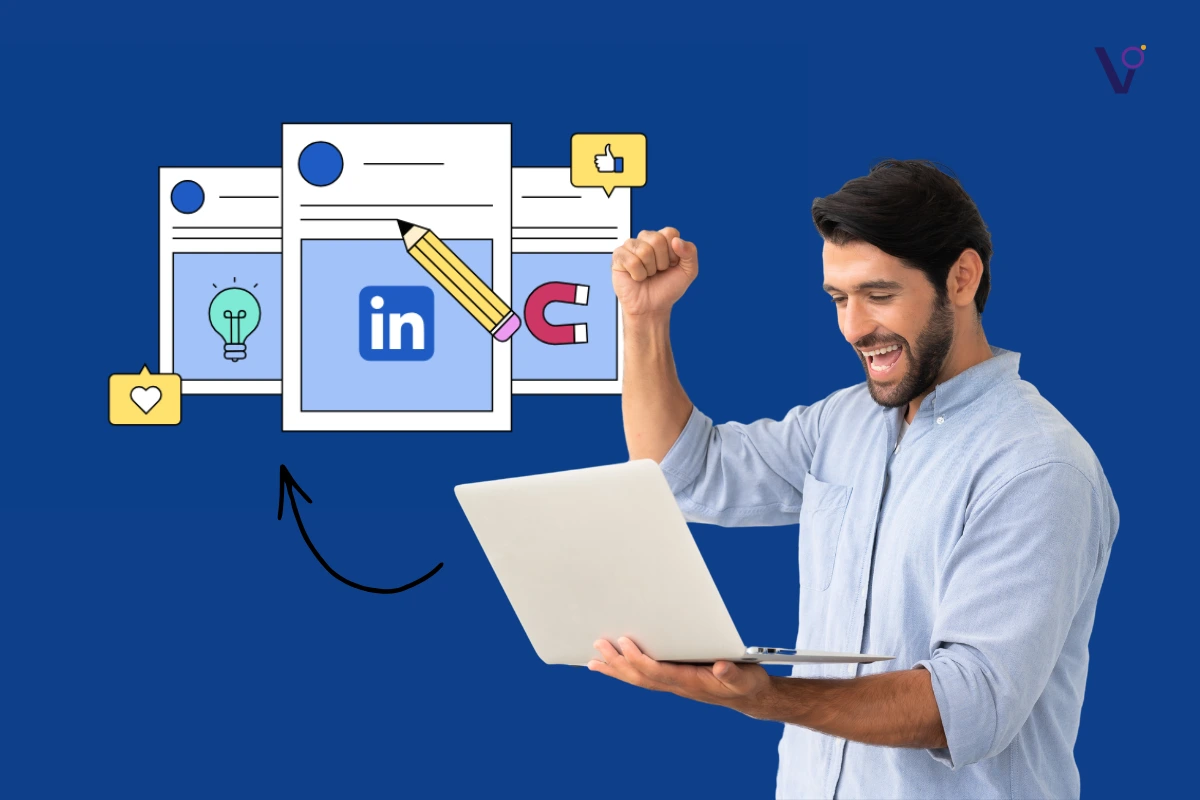
- Value-packed images: LinkedIn loves rewarding posts with dense, visual images. One handwritten graphic summarizing a post earned over 24 million organic views on its own. The image acts like a YouTube thumbnail, giving the algorithm a reason to keep pushing the post.
- Deep work systems: Going beyond the surface level, sharing the actual how. People follow creators because they want to know the how, not the highlights.
- Personal stories: Unique stories, stories about hiring and firing, marketing and selling. These are the stories that get shared with other Slack channels.
The hook matters more than anything else. The first three lines of a post decide whether someone keeps reading or scrolls past. Creating curiosity, using data, and calling out a specific identity group in those first three lines is what stops the scroll.
9 Elements of Viral Content
Here are the nine recurring patterns in high-performing posts:
- Personal stories that open up around real struggles and lessons
- Proven systems, principles, and blueprints with practical use
- High value per second, content so packed that people feel compelled to share it
- Tasteful, elevated design that stands out from the general cringe on the platform
- Hooks using the words “when,” “what,” “I,” “I’ve,” and “how”
- Tight alignment between the post topic and the lead magnet offered
- A clear call to action prompting both a repost and a follow
- Monthly content review to study what worked and double down on it
- Learning from other fast-growing creators through active relationships and mentorship
Understanding how the new LinkedIn algorithm responds to these patterns is what separates creators who plateau at a few thousand followers from those who scale past hundreds of thousands.
Part 3: Building an Engagement Machine
This is the piece most people miss completely. The new LinkedIn algorithm looks at early engagement as a strong signal of quality. Getting 30 or more people engaging with a post within the first 45 minutes of it going live is not optional for serious growth. It is the mechanism that tells the platform to start amplifying.
A creator can have roughly 25 people engaging within the first 30 minutes of every post going live. This is not accidental. It is built through off-platform relationships, community, and a multiplayer approach to what many treat as a solo game. LinkedIn is not a single-player game. It never was.
The LinkedIn Growth Checklist
For anyone looking to put this into practice, there is a clear checklist to follow:
- Revise your banner to include a strong and clear call to action (CTA)
- Write a value-driven headline
- Add two strong pieces of content to your featured section
- Follow 20 relevant creators in your niche
- Build off-platform relationships with creators who will support your content
- Ensure 30 or more people engage within the first 45 minutes of each post
- Track your top-performing posts by subject matter, hook, and format
- Review analytics every month and identify patterns worth repeating
Why Velocity of Learning Beats Everything
One of the most grounding insights is this: even if the first few posts do not perform, the creator who improves by 10 percent with each post will be over 18,000 times better by the hundredth post. The new LinkedIn algorithm rewards consistency over time. The creators who quit early never give the platform the chance to work in their favor.
Growth on LinkedIn is not about luck. It is about building a system, studying the data, and staying in the game long enough for the compounding to kick in. The new LinkedIn algorithm is not mysterious. It just rewards the people who show up with intent, clarity, and quality every single time.
Most creators fail because they post without a system, treat LinkedIn like a resume, and chase vanity metrics instead of building a strategy focused on engagement and conversions.
Content that works best includes personal stories, behind-the-scenes insights, value-packed visuals, and deep work systems that provide actionable and detailed knowledge.
Visual content boosts reach by making posts more engaging and shareable. Images act like thumbnails, helping the new LinkedIn algorithm push content to a larger audience.
Creators should track analytics, identify top-performing posts, refine hooks, and double down on formats that generate engagement to continuously improve their strategy.