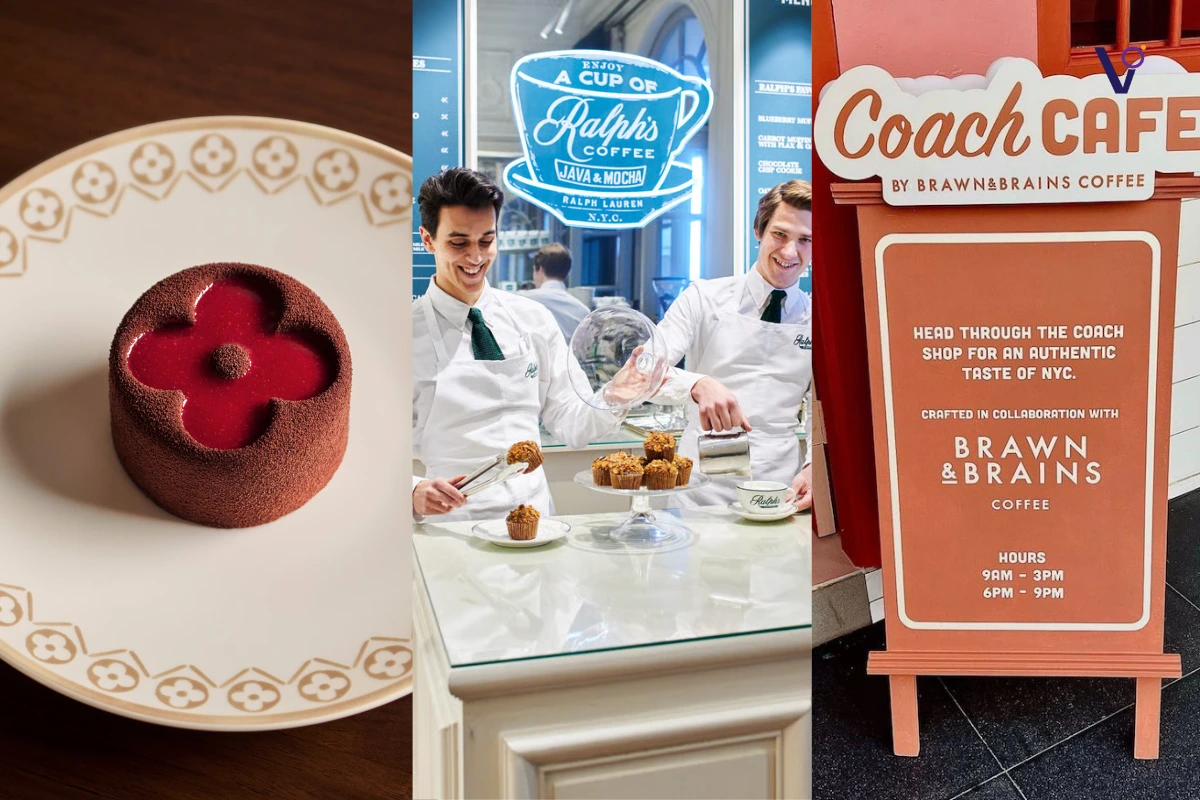
It’s starting to feel like every brand suddenly has a café. From Louis Vuitton to Capital One and Coach to Uniqlo. You come in thinking you’re buying some jeans or some handbags, and then you’re leaving with one matcha latte. Sometimes you won’t realize the presence of the coffee shop until you’re already inside the store in the midst of the experience. This isn’t an accident. This is what retail brand strategy looks like in its most advanced state.
What appears to be a coffee trend on the surface has much more at play regarding how space, time, and attention have become considerations for brands.
The Hidden Pattern Behind Brand Cafés
Retailers are not opening cafés because coffee is suddenly their core business. They’re doing it because cafés engage all five senses.
- Sight.
- Smell.
- Sound.
- Touch.
- Taste.
And when you engage all five senses, customers slow down, and that matters. When someone spends more time in your space, they don’t just browse more. They absorb more of the brand. It makes them feel less like they’re being sold to and more like they’re participating in something.
This is why brands like Barnes & Noble partnered with Starbucks as early as 1993. It’s why Target followed in 1999. Long before “experience economy” became a buzzword, these companies understood that coffee makes people linger.
What’s different now is how central cafés have become to modern retail brand strategy, not as an add-on, but as a core layer of the store experience.
From Early Adopters to a Full-Blown Movement
More than a decade later, brands like Ralph Lauren and Capital One opened their own cafés in cities such as New York and Boston. The focus was not aggressive selling. In fact, Capital One made it clear from the beginning that café staff were not incentivized to sell financial products. The goal was to create a welcoming environment where customers felt comfortable spending time.
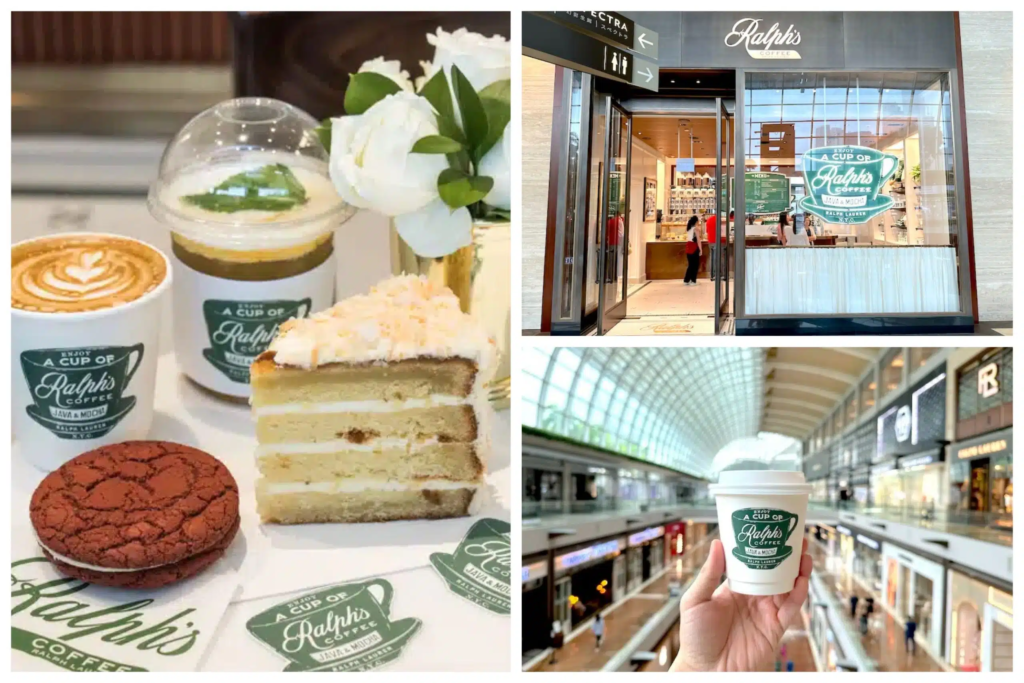
Today, Capital One operates 65 cafes in the United States, and Ralph Lauren more than 40 across the world in cities from London, Barcelona to Hong Kong and Singapore.
Fashion retailers have increasingly jumped into this model. Aritzia launched its AOK Café concept in 2018 and has expanded to 13 locations. More recently, Uniqlo opened its first café in Tokyo in 2021, followed by its first U.S. at its Fifth Avenue flagship in New York City in March 2025.
The Uniqlo café is strategically incorporated within the store and serves as a service floor. The customers can pick, fix, and modify their clothes as well as have a cup of coffee and some matcha. The brand took their time and opened in the US market only in 2025, ensuring it gained adequate brand recognition before introducing other services. The strategy here portrays a well-planned retail brand.
Coach provides another compelling example. After a cultural resurgence among Gen Z and a reported 22% revenue increase in a recent fiscal quarter, Coach began testing cafés in Indonesia in 2024. The results were strong enough that the brand expanded to four locations in the U.S. and more than a dozen internationally. Coach has reported double- to triple-digit increases in retail sales at stores that include cafés, driven by higher foot traffic and longer in-store dwell time.
Why Cafés Work in a Post-Pandemic Retail World
The pandemic didn’t just change shopping habits. It shattered the experience economy.
You could buy anything online. You could get anything delivered. Convenience was no longer a differentiator. So the real question became simple: Why would anyone go to a physical store at all?
The answer isn’t discounts or inventory. It is experience. Cafés give people a reason to show up without pressure to purchase. They feel welcoming and human. And that’s exactly why they work.
Retailers noticed that cafés:
- Increase foot traffic
- Keep customers inside longer
- Create repeat visits
- Make stores feel less transactional
That’s not theory. That’s measured behavior.
Luxury, Accessibility, and Attainable Entry Points
For luxury brands, cafés serve an additional purpose. They create an entry point for customers who may not yet be able to afford high-ticket products. A nine-dollar coffee or a specialty pastry becomes an attainable luxury in stores where handbags or jewelry can cost thousands.
Coach has observed younger customers, sometimes as young as 13 or 14, entering cafés to experience the brand through a drink or dessert. Even for existing customers, cafés allow more frequent engagement. While someone may only purchase a handbag occasionally, they can return for coffee multiple times a month.
This dynamic supports a long-term retail brand strategy that prioritizes frequency and familiarity over one-time transactions.
Cost, Operations, and Structural Decisions
Cafés can be profitable. Some brands have seen double- and triple-digit lifts in retail sales when a café is added. But the real value isn’t just the coffee margin.
- It’s the extra visit.
- The slower browsing.
- The additional emotional attachment.
Brands track café performance in two ways:
- Direct profitability (week over week, month over month)
- Customer experience impact
And the second metric often matters more. Because when customers feel comfortable, they buy differently and tend to come back more often. That’s the compounding effect most people miss when analyzing retail brand strategy.
Not All Cafés Are Built the Same
Here’s where things get interesting. Not every brand runs its café in-house.
Capital One, for example, provides the space but hands operations to third-party partners. The café exists to personify the brand, not to turn bankers into baristas. Uniqlo and Coach integrate cafés into existing stores.
Location strategy also differs:
- Capital One places cafés in premium, high-traffic city areas
- Coach focuses on outlet locations, where customers are already in “hangout mode”
- Luxury brands choose flagship destinations
Each approach reflects a different version of retail brand strategy, not copy-paste execution.
Final Thought
This café boom isn’t about coffee.
It’s about presence in a world where attention is fragmented and loyalty is fragile. Brands that understand this are rebuilding retail from the inside out.
That’s why this shift matters and why it’s being studied closely by growth teams, CMOs, and agencies like Viral Omega, who look beyond trends and focus on systems that compound. Because in modern retail, the product is only half the story. The experience is the strategy.
Luxury brands are opening cafés to create experiences that engage customers, increase time spent in-store, drive foot traffic, and offer an attainable way to interact with the brand beyond products.
Louis Vuitton cafés are not pop-ups alone; they are part of a broader experiential retail approach, with locations designed to reinforce brand identity and encourage repeat visits.
Hospitality allows luxury brands to offer immersive, sensory experiences that cannot be replicated online, helping them remain relevant in a post-pandemic retail environment focused on experience, not just transactions.
Cafés drive incremental foot traffic, encourage longer visits, and create a relaxed environment where customers are more likely to browse, engage with products, and make additional purchases.