You skip thousands of ads in a day, but not all of them. There are some ads you just flat out refuse to skip. Something that sparked curiosity in your brain and made you stay. You didn’t even realize why at first, but you watched anyway.
Exactly that feeling is what this blog is about.
So, what makes a consumer pause their scrolling? We’ve spent years watching ads, deconstructing, creating, directing, shooting, and obsessing over them. And if there’s anything we’ve learned from all this, well, such ads aren’t left to luck. They follow patterns and structure and are built intentionally.
Below is the framework that should give you a sense of how some ads succeed and why the vast majority fail. Once you grasp this and use it correctly, you can make your ads into something that people will actually want to watch. This approach is something we’ve been deeply focused on, and it’s the same thinking we apply when building high-performing creatives at scale, including the philosophy we follow at Viral Omega.
Before we get into tactics, let’s lock in one thing: unskippable video ads don’t start with clever copy or fancy editing. They start with attention control.
1. Visual Structure and Attention Control
The strongest ads control where you look first and how long you stay. A hook isn’t just a line. A hook is a system. The moment someone lays eyes on your advertisement, your brain subconsciously asks questions. Like:
- What am I looking at?
- Is there something distracting in the background?
- Is there a sound that draws me in?
- Do I understand this or does it feel confusing?
Those first five seconds decide everything. This is where unskippable video ads are won or lost.
The goal here is simple: remove visual chaos. Let the viewer focus on one thing. One idea. One visual. One moment of curiosity.
A great example of this is an ad that opens with something that doesn’t immediately make sense. When you see something unfamiliar, your brain wants to resolve it. You stay to understand it. That curiosity gap is powerful. You don’t explain everything instantly. You let the viewer lean in.
Another strong approach is pairing a satisfying visual with a clear audible message. While the eyes are locked onto something pleasing or unusual, the ears are learning why it matters. This combination keeps people watching longer because both senses are engaged.
When you control where the eyes go, you control how long the viewer sticks around. That’s why attention control is always step one in unskippable video ads.
2. Contrast, Color, and Brand Familiarity
Most people never think about color theory when they run ads, but color is doing more work than you realize. Certain colors make us feel certain things. Some feel urgent, while some feel calm, and on the other hand, some feel familiar or disruptive.
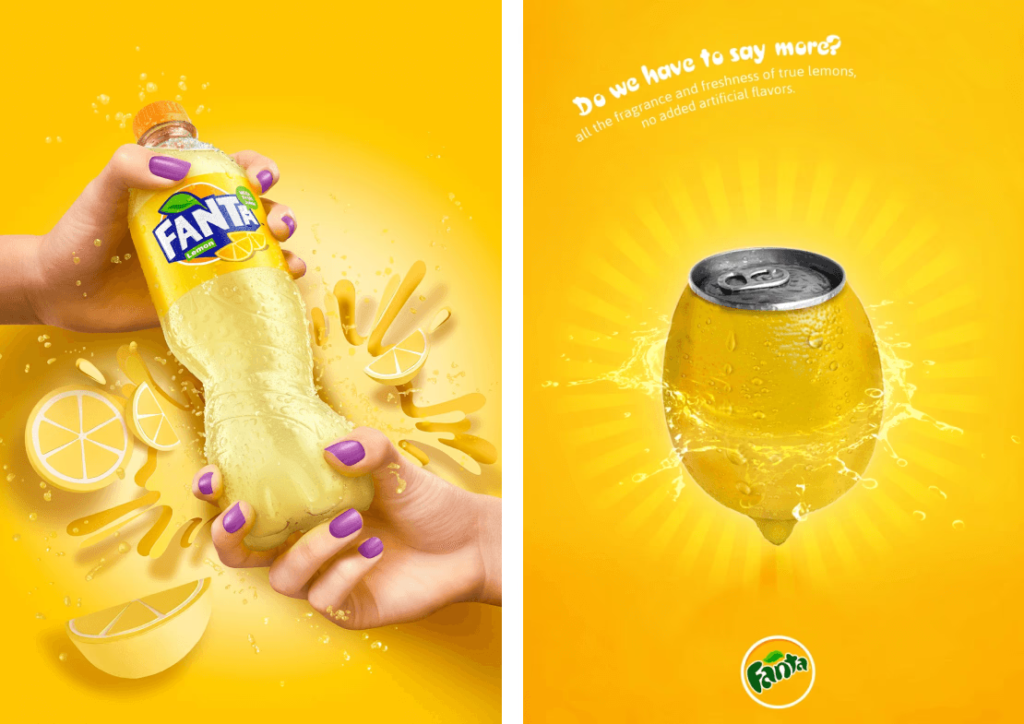
Back in the early days of social feeds, there was a concept called color blocking. If everything in the feed was white and your ad was bold, dark, or highly saturated, it would instantly stop the scroll. That still works today.
The trick is finding that balance between contrast and familiarity.
Your ad needs to feel organic enough that it doesn’t scream “this is an ad,” but familiar enough that people recognize your brand. That’s a fine line. Too polished and people scroll. Too random and people don’t trust it.
This is where unskippable video ads shine, if done right. The colors, fonts, and visual tone should feel cohesive. If someone already knows your brand, they should recognize it instantly. If they don’t, it should still feel real and relatable.
Color contrast helps stop the scroll. Brand familiarity helps build trust. Together, they create comfort without boredom.
3. Credibility and Social Context
Buying is easier when there’s less friction. People look to others before they decide. If someone you trust recommends something, you’re more likely to choose it. That’s social proof, and it’s one of the strongest forces in advertising.
It is not that social proof works because everyone else is always right. It is that it works because we are afraid of being wrong. Nobody likes to be the odd one out.
That’s why unskippable video ads almost always include credibility signals. Reviews. Testimonials. Real people talking. Experts explaining. Media mentions. Anything that says, “You’re not alone in this decision.”
Customer videos are especially powerful. They don’t feel scripted. They feel human. And there is no stronger credibility builder than someone who has already used the product and is genuinely talking about it. For example, before purchasing an iPad, you might go to YouTube to watch reviews and understand other people’s experiences, which can strengthen your confidence in making the purchase.
Social context reduces hesitation. Reduced hesitation increases conversions.
4. Messaging and Layering
The best ads don’t dump all information at once. They layer it. The 4 layers are:
- Relatability: A moment that makes someone think, “That’s me.”
- Education: What the product is and why it exists.
- Reassurance: Why it works and why it’s better.
- Clarity: How it fits into the viewer’s life.
This is how unskippable video ads communicate without overwhelming.
Each layer answers a question the viewer is already asking in their head. How does this work? Why do I need it? Why should I trust it? Is this really for someone like me?
When ads feel obvious, they convert better. Not because they’re boring, but because they’re clear. Overcomplicated ads confuse. Clear ads sell.
Tone matters here too. When the voice feels genuine and conversational, it builds connection. It doesn’t feel like marketing. It feels like someone sharing something helpful.
Why This Framework Works
These principles aren’t theory. They’re patterns that repeat across high-performing ads. Control attention. Use contrast wisely. Build trust early. Layer your message clearly.
That’s the formula behind unskippable video ads that actually convert.
You don’t need to be louder than everyone else but clearer. Guide attention instead of fighting for it. You need to respect how people think, scroll, and decide. At the end of the day, the best ads don’t feel like ads. They feel like moments you chose to watch. And when you build your creatives with that mindset, skipping stops being automatic.
You create non-skippable ads by controlling attention in the first seconds, removing visual chaos, layering messaging clearly, using contrast, social proof, and delivering obvious, relatable information.
Some ads aren’t skippable because they control attention, feel relatable, avoid visual chaos, use social proof, and deliver information clearly instead of overwhelming or confusing viewers.
The 30-second rule reflects attention; if viewers stay, the ad worked by controlling focus, reducing chaos, and delivering clear, relatable, credibility-driven messaging.