Why do some brands feel expensive the moment someone sees them? Before checking the price tag, people already assume the product costs more. That reaction is not luck, design alone, or flashy visuals. It is the result of a deliberate premium branding strategy rooted in psychology.
At Viral Omega, this exact thinking has been applied to dozens of e-commerce brands over the last five years. The outcome has been consistent. Brands that understand human perception can charge more, scale faster, and avoid competing on discounts.
Premium brands do not sell products first. They sell meaning.
Premium Brands Exist Across Every Industry
Luxury is not limited to fashion or cars. Premium brands exist everywhere.
- Automotive brands from Germany
- Italian fashion houses
- High end coffee companies
- Athletic lifestyle brands
The common trait is not appearance. It is pricing power. Each brand can charge more because it has mastered how people perceive value.
When visuals and logos are stripped away, what remains is a consistent Premium branding strategy focused entirely on how the brand is positioned in the customer’s mind.
3 Principles For Premium Branding Strategy
Every premium brand relies on the same three principles. These principles work across decades, platforms, and customer segments.
They are:
- Exclusivity
- Identification
- Storytelling
When used together, these principles transform ordinary products into objects of desire.
1. Exclusivity Is Not Scarcity
Exclusivity is the most powerful principle and also the most misunderstood. It is not about telling customers that something is sold out. It is about creating a story that elevates the product beyond its function.
In premium branding, the product itself becomes secondary.
What matters more includes:
- What ownership represents
- The status attached to the item
- The narrative around how it was created
- The feeling of belonging
People want what does not feel accessible to everyone.
A historical example comes from Packard Motor Company in 1929. While mass market brands like Ford and Chevrolet made cars affordable, Packard chose a different path. They launched a message designed for discriminating clientele.
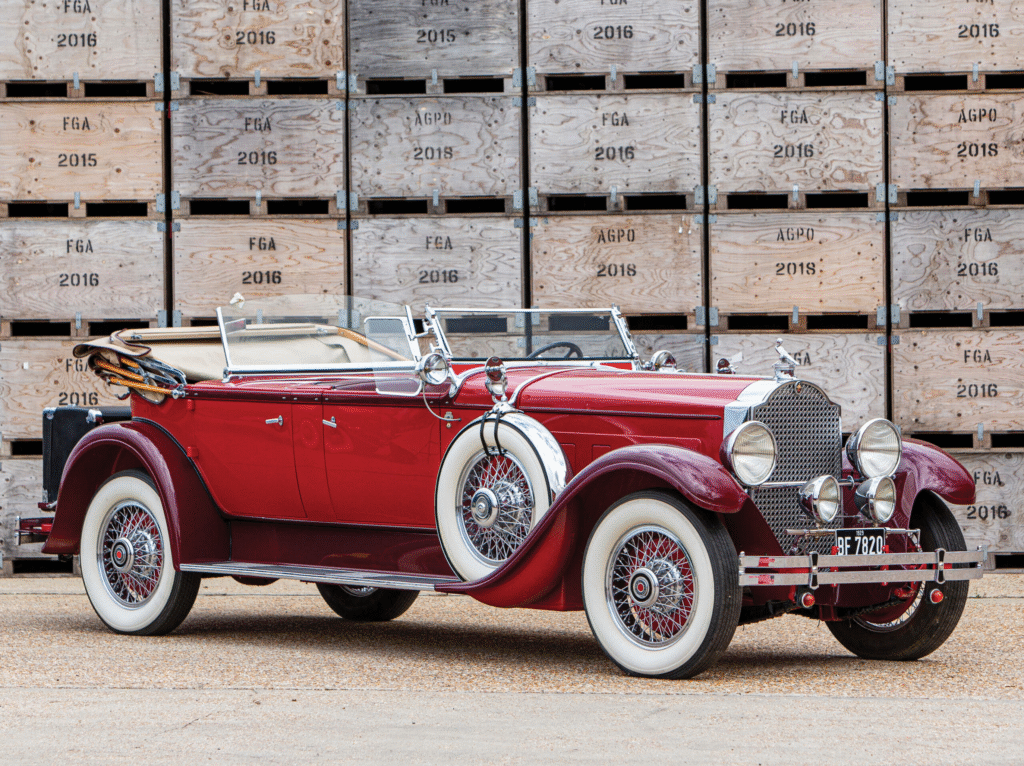
Instead of price, they spoke about craftsmanship, detail, and luxury. This approach allowed them to survive in a crowded market by appealing to elites who valued refinement. Packard was no longer selling transportation. It was selling prestige.
This is how exclusivity works inside a Premium branding strategy.
Reframing Creates Perceived Superiority
Premium brands often win by reframing rather than inventing. An iconic example comes from the Lucky Strike campaign. As public skepticism around smoking grew, the brand did not defend the category. It reframed itself.
Other tobacco was harmful. Lucky Strike was toasted.
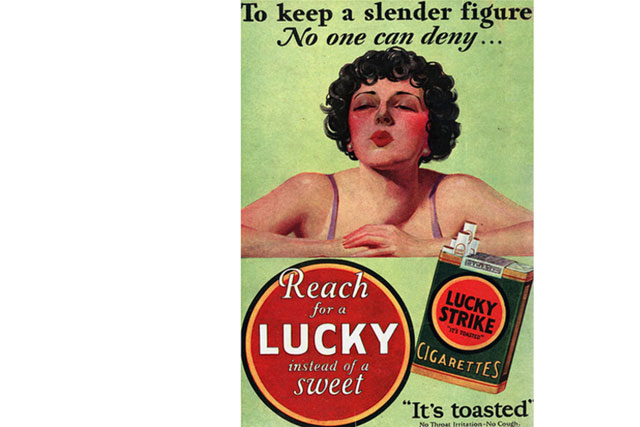
That one angle repositioned the product as superior. The perception changed. It was no longer just another cigarette. This reframing created distinction without changing the product itself. This is a core move in a Premium branding strategy. Find what others ignore, then make it central.
2. Identity Turns Interest Into Desire
Exclusivity attracts attention, but identity locks it in. Premium brands do not sell objects. They sell identity.
The product becomes a reflection.
Chanel No. 5 faced rising competition in the mid twentieth century. Instead of promoting features or ingredients, Chanel focused entirely on identity. The messaging communicated elegance, femininity, and sophistication. The campaign suggested that every woman admired Chanel No. 5. It did not explain why. It assumed aspiration.

This approach transformed the fragrance into a symbol. Customers were no longer buying scent. They were buying confidence and elegance.
This is how identity functions inside a Premium branding strategy.
Belonging Builds Long Term Loyalty
When customers recognize themselves in a brand, loyalty follows. This happens when brands:
- Understand customer values
- Reflect those values consistently
- Connect products to personal aspirations
Premium customers do not want deals. They want belonging. They want to feel part of something refined and intentional. That feeling turns buyers into advocates.
3. Storytelling Makes Brands Memorable
The third principle is storytelling. Exclusivity creates desire. Identity builds connection. Storytelling creates memory. Storytelling is not about clever visuals. It is about linking the product with the customer’s life and aspirations.
When a brand tells a strong story, buying stops being transactional. It becomes emotional. Meaning is attached to the purchase. For decades, premium brands across industries have relied on storytelling to embed their products into moments, routines, and identities. This is the multiplier inside any Premium branding strategy.
Nespresso
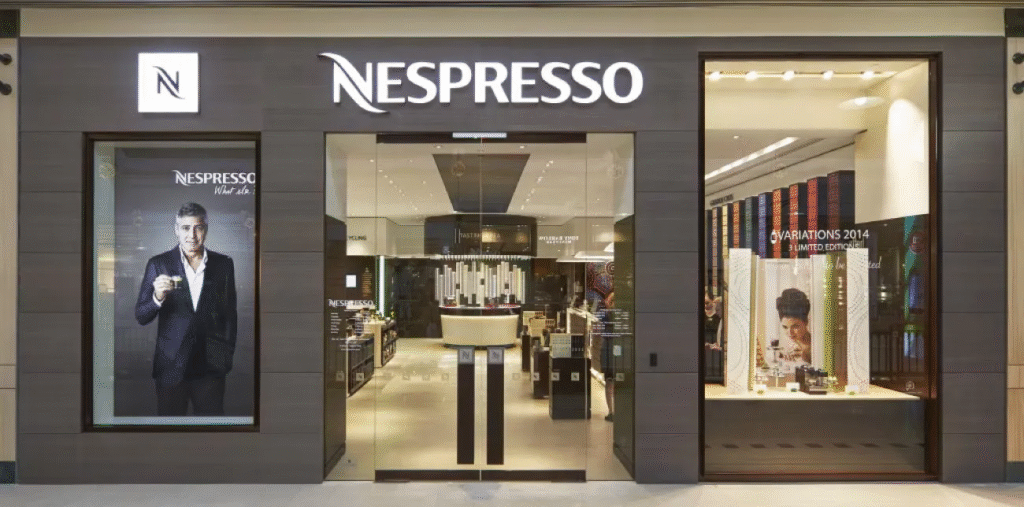
Nespresso faced a familiar problem. Coffee was everywhere. Machines were accessible. Function alone was no longer enough.
Instead of selling coffee, Nespresso sold refinement. By choosing George Clooney, the brand created a character that embodied sophistication, wit, and discernment. He was not just a spokesperson. He was the story. The slogan “What else?” reinforced confidence and exclusivity. Nespresso became a conscious choice rather than a commodity.
This is storytelling applied with precision inside a Premium branding strategy.
Modern Brands Examples
The principles have not changed. The platforms have.
Lululemon
Lululemon focuses on limited experiences instead of limited products. Campaigns feature real ambassadors living the lifestyle.
- Yoga instructors
- Runners
- Community leaders
The messaging communicates discipline, mindfulness, and growth. Clothing becomes a symbol of performance and balance, not just apparel.
Represent
Represent uses drops to create natural exclusivity. Once products are gone, they do not return.
The founders actively tell the brand story through content. Every visual reinforces who the brand is for. The audience knows exactly where they belong.
These brands demonstrate how a Premium branding strategy lives through identity and narrative, not pricing.
Premium Advertising
Premium ads are not focused on persuasion alone. They build an environment the customer wants to enter. Lifestyle driven content outperforms discount based messaging because it creates meaning. Customers see themselves in the story rather than being sold to.
This is why premium brands resist aggressive promotions. Short term gains harm long term perception.
The Viral Omega Framework for Premium Brands
Viral Omega applies a structured three step framework to build premium positioning.
Step 1: Psychology Mapping
This stage focuses on understanding what exclusivity means to the customer. Different audiences value different signals. Mapping aspirations and triggers creates clarity.
Step 2: Define the Marketing Vector
Brands must stay consistent across campaigns. Selling is woven into storytelling without compromising identity. Promotions never override positioning.
Step 3: Performance With Brand Health
Metrics go beyond sales.
- Hook rate
- Engagement
- Click through rate
- Retention
Scaling a brand means growing perception and loyalty, not only revenue.
Final Thought
Premium branding creates emotion before conversion.
- Exclusivity creates desire.
- Identity builds attachment.
- Storytelling creates memory.
When these principles align under a disciplined Premium branding strategy, brands stop chasing customers and start attracting them. Every brand must answer one question. What world is being built, and why should customers want to belong to it?
Brands like Nike, Chanel, Lululemon, Apple, and Nespresso are premium brands because they charge higher prices by selling perception, lifestyle, and identity, not just products.
Luxury branding focuses on extreme exclusivity, heritage, craftsmanship, and status. It targets elite consumers and emphasizes rarity, tradition, and emotional value over accessibility or scale.
The 4 Ps of luxury marketing focus on Product craftsmanship, Premium pricing, Selective placement, and Purposeful promotion that reinforces exclusivity and status.